All ideas and advice

Business Card Essentials

Should a business card be one-sided or two-sided?

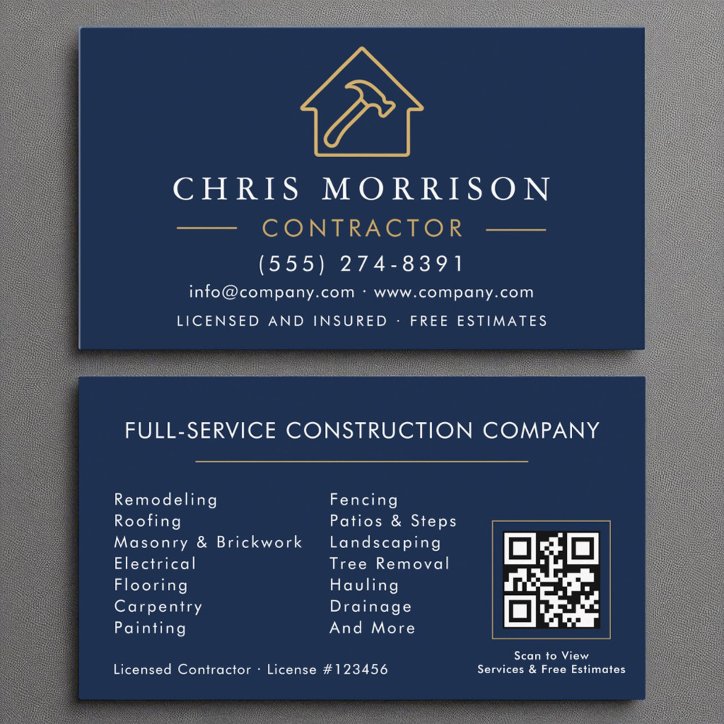
Compare one-sided and two-sided business cards and decide when the back should hold services, a QR code, an appointment area, or branding.

The short answer

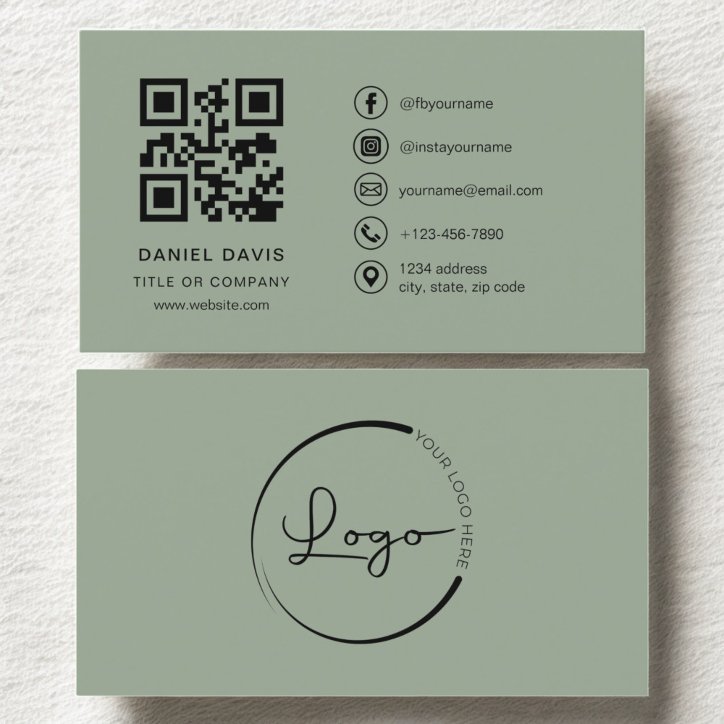
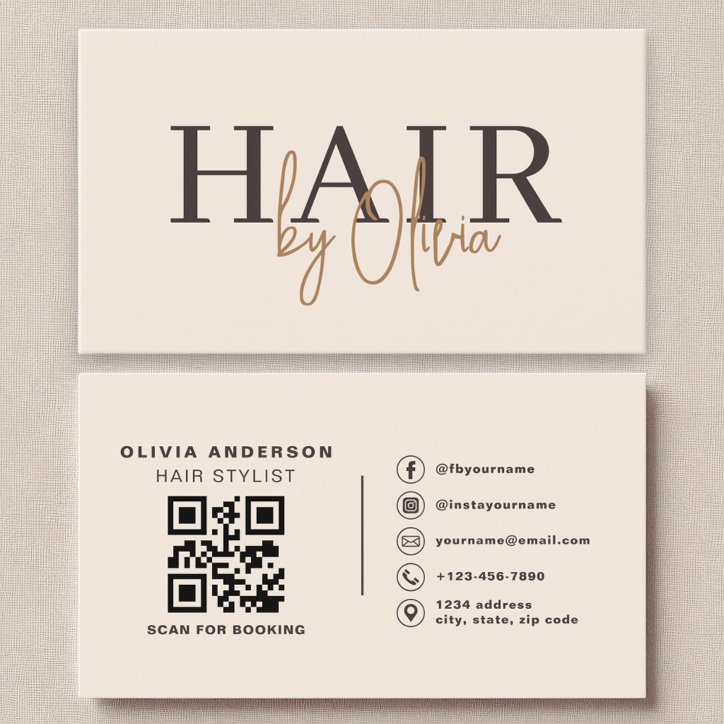
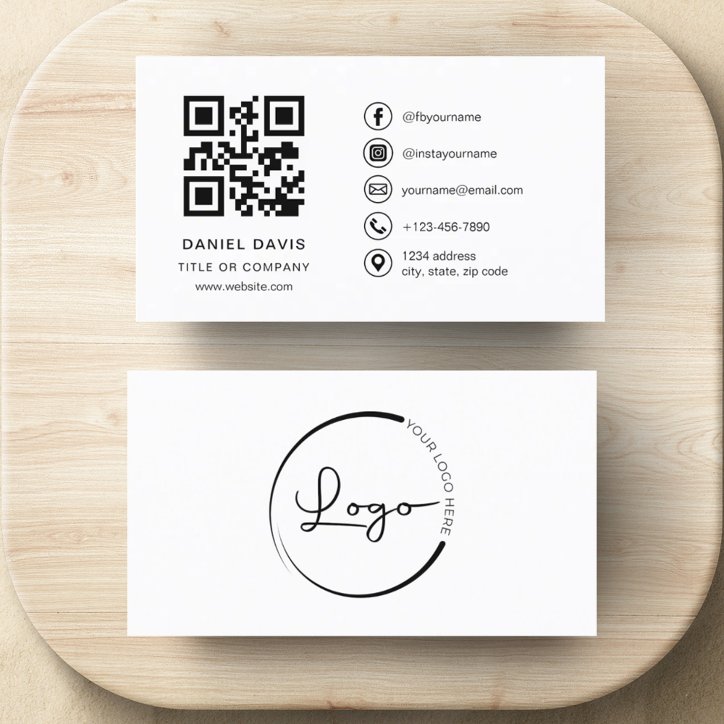
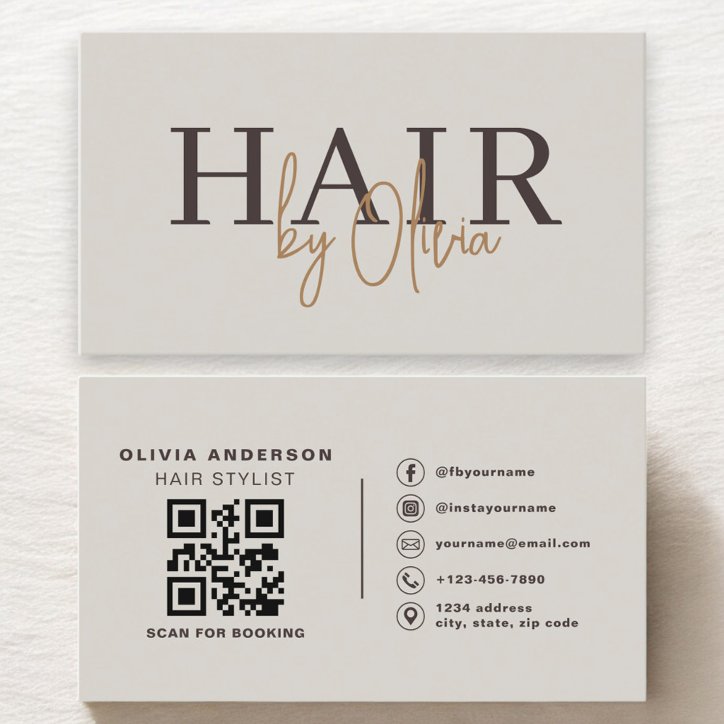
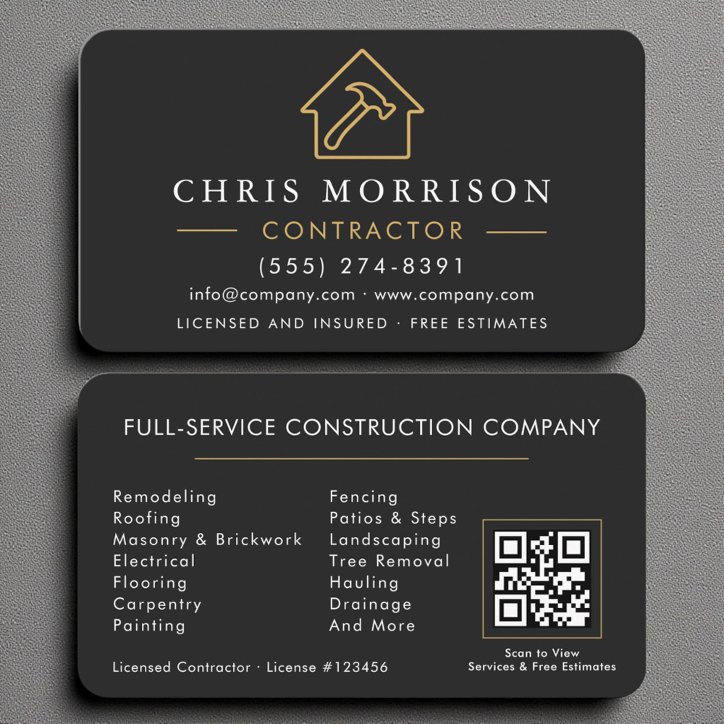
Use two sides when the reverse has a clear job: a QR code, short service list, appointment reminder, portfolio image, referral offer, or secondary language. Choose one side when the information is genuinely simple or the blank back will be used for notes. A second side should improve usefulness—not repeat the same identity and contact details in a different arrangement.

One-sided cards reward restraint

A one-sided format can feel direct and economical when the business needs only a name, role, company, and contact path. It also leaves the back available for a handwritten note.

  • Best for concise contact information
  • Useful when handwriting matters
  • Requires disciplined editing
  • Can become crowded if services or QR content are added later

Two-sided cards separate recognition from action

The front can establish the person or brand while the back supports the next step. This is especially useful when a code, appointment field, service list, or large image needs breathing room.

FrontName, role, brand, primary contact
BackQR action, services, appointment details, portfolio cue

Do not treat the back as leftover space

Repeating the same phone number, logo, and tagline without a reason adds printing area but not value. Give the reverse a distinct purpose or leave it intentionally simple.
See the advice in context

Business-card examples to compare

These current catalog examples are selected dynamically. Open a detail page to compare the design, then personalize on Zazzle.

Quick answers

Questions about one-sided vs two-sided business cards

Is a two-sided card more professional?

Not automatically. Professionalism comes from clear information, strong hierarchy, accurate details, and appropriate design.

Can the back be just a logo?

Yes, when brand recognition is the purpose and the front already handles contact information well.

Should appointment information go on the back?

Usually. A dedicated reverse provides writable space without crowding the identity side.

Related Advice

Continue this decision with a focused guide

Business Card EssentialsWhat should go on the back of a business card?Business Card EssentialsWhat should you put on a business card?QR Code Business CardsShould you put a QR code on a business card?Business Card EssentialsWhat should you not put on a business card?Profession-Specific Business Card IdeasDental business cards that support trust, contact, and appointments

From advice to the right design

Shop the profession and useful styles

Use these focused collections to compare current Pretty Girly Designs cards that match the decisions in this article.

Explore Related StylesMinimalist business cardsBrowse minimalist business cards that use edited information, disciplined spacing, and confident typography to create a professional first impression without visual clutter.Explore Related StylesAppointment business cardsShop appointment business cards that combine professional contact information with a practical reminder area for the next visit, consultation, or service.Explore Related StylesQR Code business cardsBrowse customizable QR code business cards that connect a printed introduction to booking pages, portfolios, menus, reviews, social profiles, or contact information.