The short answer
A useful business card should identify you, explain the business clearly, and make the next contact step obvious. Start with your name, professional role, business name, and one or two primary contact methods. Add a website, service area, accurate credential, social handle, or QR code only when it helps the recipient act. Move secondary information to the back instead of shrinking everything.
Start with the five essentials
Most cards need a clear name, role, business name, phone or email, and website. The order matters: the recipient should understand who you are and what you do before reading smaller contact details.
- Your name
- Professional role or service
- Business or practice name
- Primary phone number or email
- Website, booking page, or another useful destination
Add information only when it earns its space
A service area can matter to a contractor, lawn service, or mobile professional. A license number, designation, or insured statement may matter in a regulated or trust-sensitive field, but it should appear only when accurate and appropriate.
A social handle is useful when the account functions as a portfolio or booking route. It is less useful when it merely repeats the website.
Use the back to preserve hierarchy
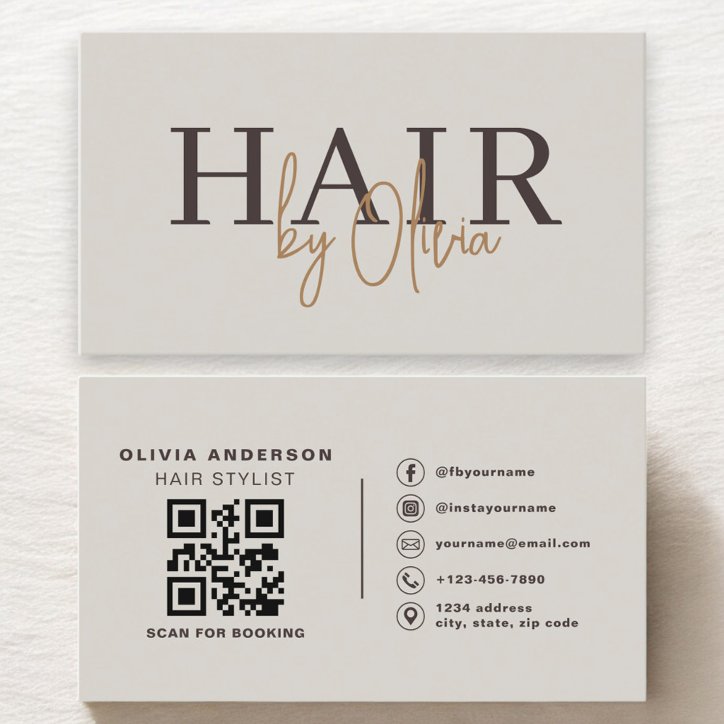
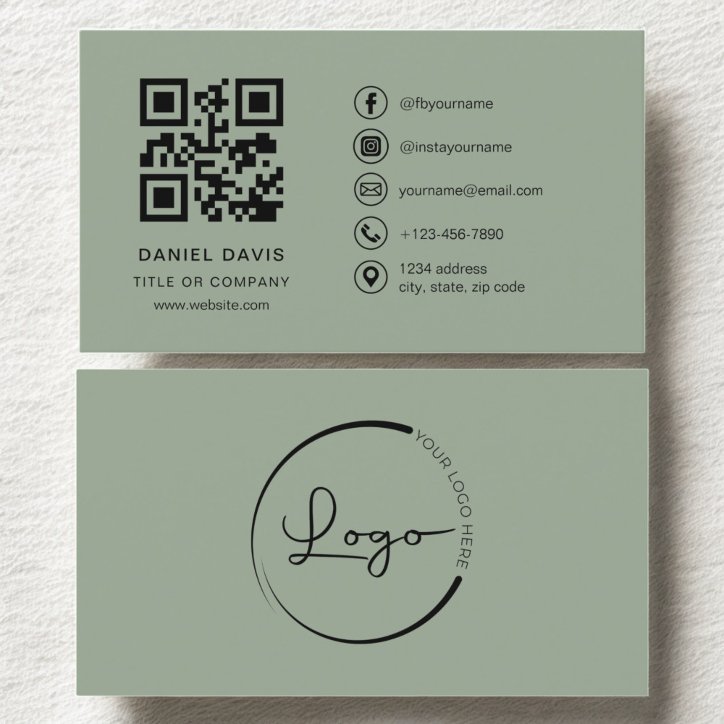
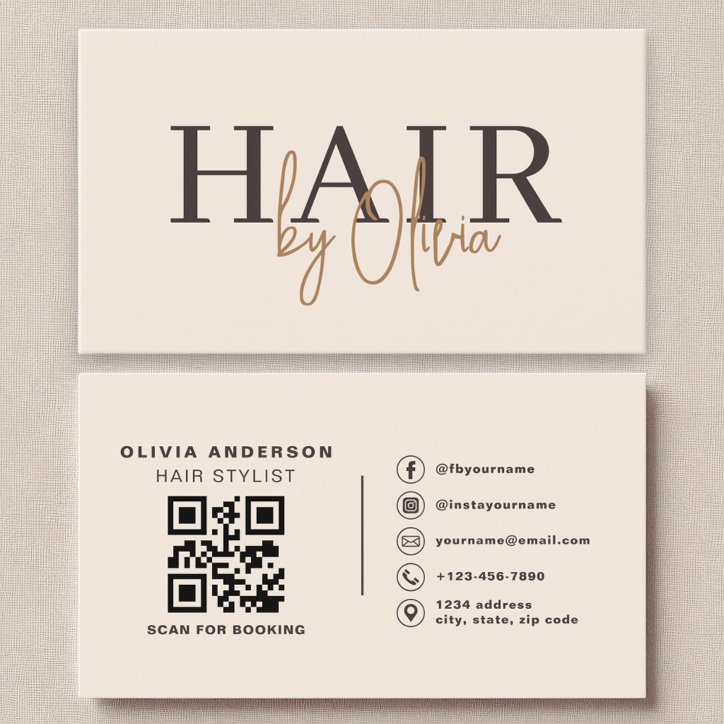
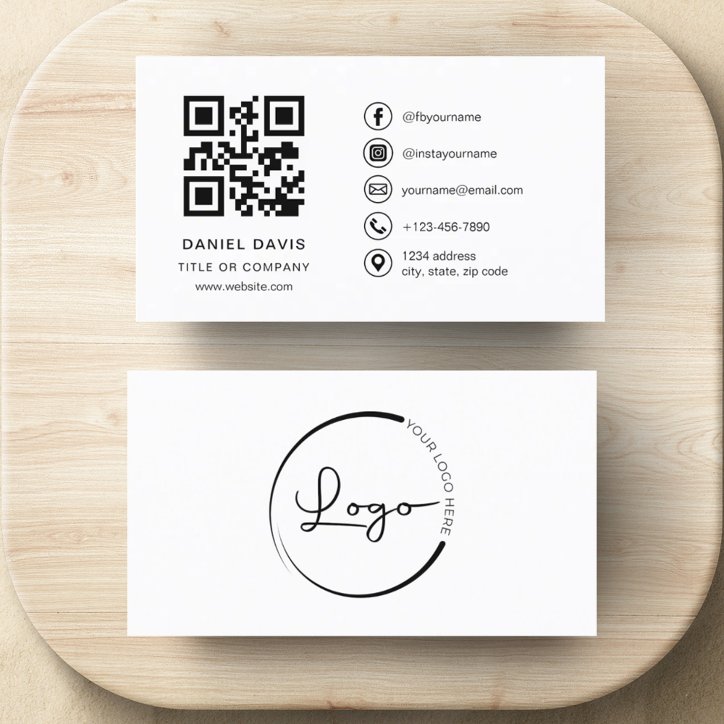
The reverse can hold a short service list, QR code, appointment area, portfolio prompt, or additional contact route. It should extend the front rather than repeat every line.
- Keep the front recognizable at a glance
- Put supporting detail on the back
- Choose one primary call to action
- Proof every contact detail before ordering